Split Thickness Skin Grafting
This technique involves the transplantation of a sheet of epidermis with some part of the upper dermis to the recipient area.
For Split Thickness Skin Grafting, Visit at Dadu Medical Centre located in Delhi, Vasant Vihar (South Delhi), Rajouri Garden (West Delhi).
Split Thickness Skin Grafting for Vitiligo in Delhi – Surgical Repigmentation at Dadu Medical Centre
For people living with vitiligo who have tried medications, topical treatments, and light-based therapies without satisfactory results, split thickness skin grafting for vitiligo in Delhi is a well-established surgical option that can help bring back colour to the affected white patches. This is a tissue grafting procedure where a thin layer of healthy, pigmented skin which includes the full epidermis and a part of the upper dermis is taken from an unaffected area of the patient's own body and placed onto the depigmented vitiligo patches. Since the skin used in this procedure comes entirely from the patient, the body does not reject it, and when the graft takes well, the transplanted skin begins to produce pigment in the treated area, gradually blending with the surrounding skin. At Dadu Medical Centre, a trusted vitiligo treatment clinic in Delhi, Dr. Nivedita Dadu and her experienced team perform this procedure under proper medical conditions with careful patient selection and structured follow-up care. The clinic is situated at Vasant Vihar in South Delhi and Rajouri Garden in West Delhi, and the procedure is recommended specifically for patients with stable vitiligo meaning the patches have not grown, spread, or changed in any way for a minimum of six months to a year before the surgery is planned. This stability requirement is not optional. Operating on active vitiligo can cause the condition to spread further due to what is called Koebner's phenomenon, where new patches can appear at injury or surgical sites. Checking stability is therefore the first and most critical step in determining whether a patient is ready for this surgery.
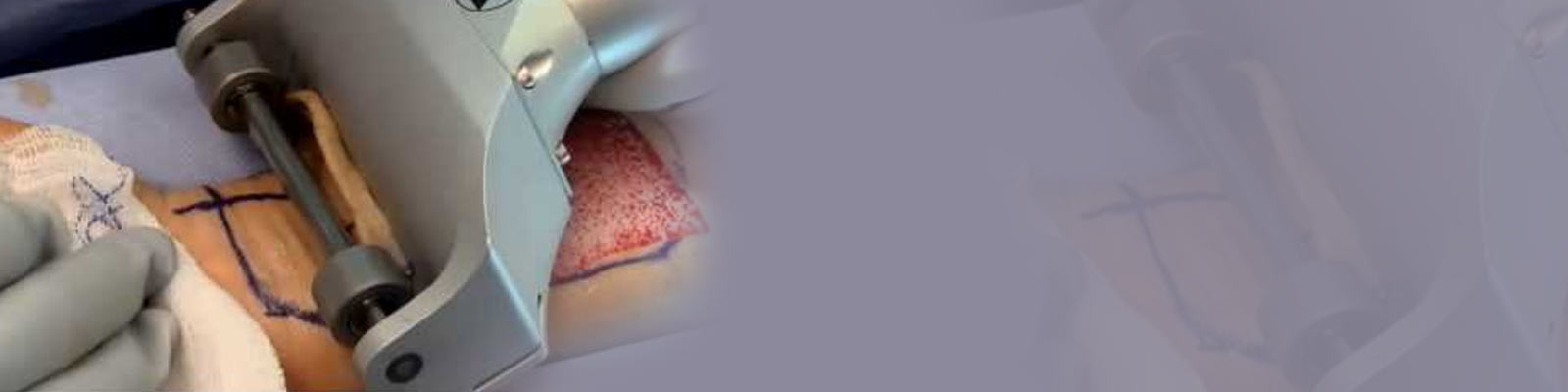
The procedure itself is called Split Thickness Skin Grafting, or STSG, because the skin harvested from the donor site is split to a specific thickness thin enough to allow the donor area to heal on its own while still containing enough cellular material to establish a functioning graft at the recipient site. The donor site is typically an area of normally pigmented skin such as the outer thigh, the upper arm, or the buttock region, chosen based on the patient's skin tone, the size of the area to be treated, and the accessibility of the donor site. A special surgical instrument called a dermatome is used to harvest this thin, even sheet of skin. The recipient area the white vitiligo patch is first prepared by a technique called dermabrasion, which removes the outer surface to create a raw, vascular bed that the graft can attach to and grow into. The harvested graft is then carefully placed onto this prepared bed, smoothed out, and secured in position using surgical glue or fine sutures. A protective dressing is then placed over both the donor and recipient sites to allow healing. The entire procedure is done under local anaesthesia with or without sedation depending on the size of the area and patient comfort, and most patients are able to return home the same day or after a short observation period. Tissue grafting procedures like STSG work best for smaller to medium-sized patches, and for areas where the skin does not have too much movement or friction, since excessive movement in the early healing phase can disturb the graft before it has had time to attach properly.
What makes split thickness skin grafting a valued option among vitiligo surgeries in Delhi is that it delivers a physically intact sheet of skin containing all the relevant cells including melanocytes, keratinocytes, and supporting dermal tissue. This means the graft comes with its own built-in pigment-producing cells that begin functioning once the graft takes and blood supply is established. Over the weeks following surgery, the transplanted skin slowly starts producing melanin, and repigmentation begins at the edges and gradually spreads inward. Most patients start seeing early colour changes within four to six weeks after the procedure, with more significant results visible over the following three to six months. The degree of colour matching with surrounding skin depends on several factors including the original skin tone, the body area treated, and how well the patient follows post-operative care instructions. Body areas such as the face, neck, and trunk tend to respond better. Areas that are under constant movement like the fingers, elbows, and knees can be more challenging and may need additional planning by the treating vitiligo doctors in Delhi before proceeding.
After the surgery, both the donor site and the recipient area need careful care. The donor site where the skin was taken from heals on its own since only a partial thickness was removed. It may look red or slightly raw for a few weeks before healing over. The recipient area must be kept still and protected for at least one to two weeks so the graft can integrate with the underlying tissue without being disturbed. Patients are advised to avoid direct sun exposure on the treated areas and to follow the wound care instructions given by the clinic team precisely. Follow-up appointments are scheduled at regular intervals to check on graft take and the progress of repigmentation. If there are small areas where the graft did not take fully, a touch-up session may be planned after adequate healing. At Dadu Medical Centre, the approach to each patient is individualised. The size of the vitiligo patch, its location, the patient's skin type, and the duration of stability all influence how the procedure is planned and what results can realistically be expected. Dr. Nivedita Dadu personally evaluates each case before recommending STSG or any other vitiligo surgery, ensuring that the right surgical method is matched to the right patient for the best outcome possible.
Split Thickness Skin Grafting Cost in Delhi for Vitiligo
|
Area / Patch Size |
Approx. Cost Range |
Notes |
|
Initial Consultation & Stability Assessment |
Rs. 500 – Rs. 1,500 |
Mandatory before procedure planning |
|
Small Patch (up to 10–15 sq cm) |
Rs. 10,000 – Rs. 25,000 |
Single session, local anaesthesia |
|
Medium Patch (15–50 sq cm) |
Rs. 25,000 – Rs. 55,000 |
Depends on area and complexity |
|
Large Patch (50–100 sq cm) |
Rs. 55,000 – Rs. 90,000+ |
May require staged sessions |
|
Post-Operative Dressings & Follow-Up |
Included or nominal cost |
As scheduled by doctor |
Prices are approximate. Exact cost is confirmed after consultation and patch assessment at the clinic.
Who is a Suitable Candidate for Split Thickness Skin Grafting
|
Suitability Factor |
Suitable for STSG |
Not Suitable / Needs Evaluation |
|
Vitiligo stability |
Stable for 6 months to 1 year or more |
Active or spreading vitiligo |
|
Response to medical treatment |
Not responded adequately |
Still responding to medications |
|
Size of the patch |
Small to medium sized patches |
Very large or widespread vitiligo |
|
Location of patch |
Face, neck, trunk, upper limbs |
High-movement areas like fingers, joints |
|
General health |
Good health, no active infections |
Skin infections at donor/recipient site |
|
Age |
Adults and older teenagers |
Very young children (case by case basis) |
Final candidacy is determined after a detailed in-person assessment by the doctor.
Expected Healing and Repigmentation Timeline After STSG
|
Phase |
Timeframe |
What Typically Happens |
|
Immediately After Surgery |
Day 0 – Day 2 |
Both sites dressed and protected, rest advised |
|
First Dressing Change |
Around Day 2 – 3 |
Doctor checks for graft attachment and early healing |
|
Graft Take Assessment |
Day 7 – Day 10 |
Dressing removed, graft attachment evaluated |
|
Donor Site Healing |
Week 2 – Week 4 |
Donor area heals over gradually on its own |
|
Early Repigmentation Signs |
Week 4 – Week 8 |
First signs of colour returning in grafted area |
|
Progressive Colour Development |
Month 3 – Month 6 |
Gradual improvement in shade and spread of colour |
|
Final Result Assessment |
Month 6 – Month 12 |
Maximum repigmentation and colour matching visible |
Results vary depending on patch location, skin type, graft take, and adherence to aftercare.
Frequently Asked Questions (FAQs)
Q. What is split thickness skin grafting and how does it treat vitiligo?
Ans. It is a surgical procedure where a thin sheet of healthy pigmented skin from your own body is placed on the white vitiligo patch to restore colour.
Q. Is split thickness skin grafting suitable for all vitiligo patients?
Ans. No, it is only done on patients whose vitiligo has been completely stable without any spreading for at least six months to one year.
Q. How long does the split thickness skin grafting procedure take?
Ans. Depending on the size of the area, the procedure generally takes one to three hours and is often done as a day-care surgery.
Q. Is the procedure painful?
Ans. The surgery is done under local anaesthesia so pain during the procedure is minimal. Some soreness at the donor and recipient sites is normal during healing.
Q. When will repigmentation start after STSG for vitiligo?
Ans. Most patients begin to see early colour changes within four to eight weeks, with full results developing over three to six months.
Q. What is the cost of split thickness skin grafting in Delhi?
Ans. The approximate cost ranges from Rs. 10,000 to Rs. 90,000 or more depending on the size and location of the vitiligo patch.
Q. Will the donor area scar after STSG surgery?
Ans. The donor area may look slightly different temporarily but heals on its own since only a partial thickness of skin is removed.
Q. Which body areas respond best to split thickness skin grafting?
Ans. The face, neck, and trunk areas generally show better results. High-movement areas like fingers and joints are more challenging.
Q. How many sessions of STSG are needed for vitiligo?
Ans. Most patients need one session. If small areas remain untreated, a touch-up procedure is considered after full healing.
Q. Which clinic in Delhi should I visit for STSG for vitiligo?
Ans. Dadu Medical Centre in Vasant Vihar and Rajouri Garden, led by Dr. Nivedita Dadu, is a trusted dermatology clinic in Delhi for vitiligo surgeries including split thickness skin grafting.