
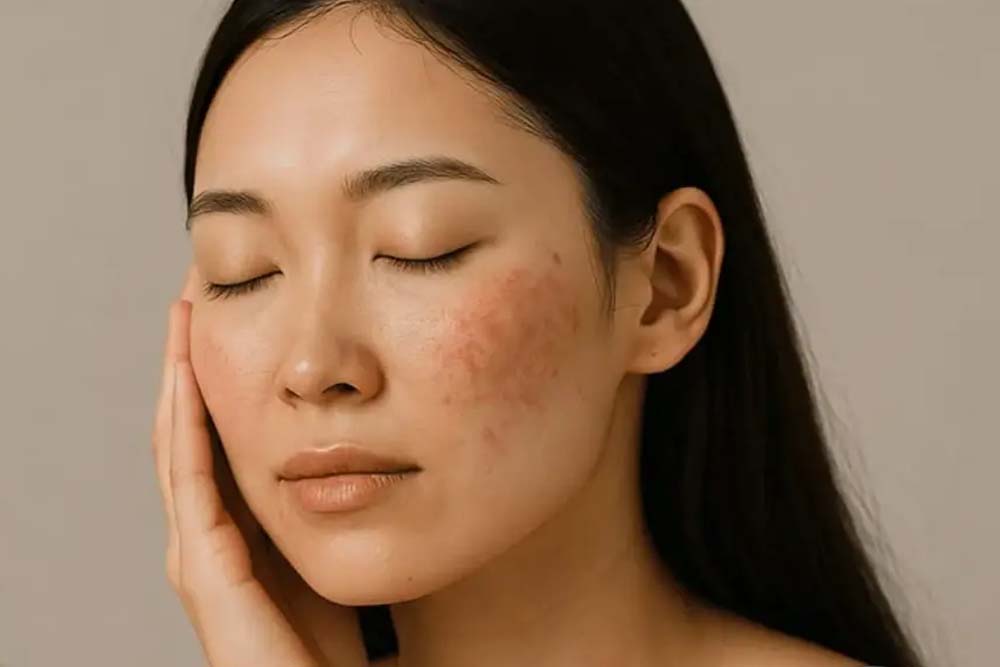
Hyperpigmentation is one of the most searched skin concerns among women in India today and for good reason. It shows up in many different forms, affects women across all age groups, and has a habit of coming back even after improvement. Whether it is the dark patches of melasma spreading across the cheeks and forehead, the flat brown spots that appear from years of sun exposure, the dark marks left behind by acne and skin inflammation, or the uneven skin tone and dullness that makes the complexion look older than it is all of these fall under the category of hyperpigmentation, and all of them can be effectively managed with the right medical approach. Women in Delhi who are looking for a reliable, medically guided solution for hyperpigmentation treatment in Delhi can consult Dr. Nivedita Dadu at Dadu Medical Centre one of the most established skin clinics in Delhi for pigmentation concerns. This guide covers what hyperpigmentation actually is, why it is so common in women, what the different types look like, and what the treatment options are that genuinely work. Understanding your specific type of pigmentation is the most important first step before any treatment, because different pigmentation types respond to different approaches and using the wrong treatment can sometimes make things worse rather than better.
Pigmentation in the skin is produced by cells called melanocytes. These cells sit at the base of the outer skin layer and produce a pigment called melanin, which is what gives skin its colour. When melanocytes are overactivated by UV radiation, hormonal signals, inflammation, or oxidative stress they produce more melanin than normal, and this excess melanin deposits in concentrated patches on the skin surface, creating the dark areas we call hyperpigmentation. In women specifically, hormones play a very large role in this overactivation. Estrogen and progesterone both have a direct influence on melanocyte activity. When these hormones fluctuate as they do during pregnancy, while using oral contraceptive pills, during perimenopause, or with conditions like PCOS or thyroid dysfunction the melanocytes can become highly reactive to UV exposure and produce pigmentation far more aggressively than they would in a hormonally stable state. This hormonal connection is why hyperpigmentation is significantly more prevalent in women than in men, and why conditions like melasma which is almost exclusively a hormonal pigmentation disorder are so much more commonly seen in female patients at skin clinics in Delhi. The hot and sunny climate of Delhi makes this worse because UV exposure is a constant and powerful trigger, and even indirect sun sitting near a window, driving, or being outdoors for short periods without sunscreen is enough to activate melanocytes that are already in a hormonally sensitised state.
There are several distinct types of hyperpigmentation that present differently and need different treatments. Melasma is perhaps the most well-known it appears as large, irregular, brownish-grey patches usually on the cheeks, forehead, upper lip, and chin, and is primarily driven by hormones and sun exposure together. It can be deep or superficial depending on where in the skin the excess melanin has deposited, and deep melasma is notoriously harder to treat than surface-level pigmentation. Solar lentigos commonly called sun spots or age spots are flat, well-defined brown patches that appear on areas chronically exposed to the sun, such as the face, hands, and chest, and are more common as women get older. Post-inflammatory hyperpigmentation, or PIH, is the flat dark mark left behind after any skin inflammation most commonly after an acne pimple heals, but also after insect bites, rashes, waxing injuries, or any other skin trauma. In Indian skin tones, PIH tends to be deeper in colour, more stubborn, and more likely to take months to fade on its own compared to lighter skin types. Freckles are small, light brown spots that appear primarily on fair-skinned women and are heavily triggered by sun exposure. Periorbital hyperpigmentation dark circles around the eyes is another form that affects many Indian women and is caused by a combination of pigmentation, thin skin, and underlying blood vessel visibility. Each of these requires a different treatment approach, and the pigmentation doctors in Delhi at Dadu Medical Centre assess each patient's specific type before recommending any treatment.
The treatment options for hyperpigmentation in women have expanded significantly in recent years and the results achievable with the right combination of in-clinic treatments and proper homecare are genuinely impressive. At the skin treatment clinic in Delhi at Dadu Medical Centre, the available treatments for women's hyperpigmentation include the DMC-Magic Blend and Magic Blend 2.0 exclusive chemical blend treatments designed to inhibit melanin overproduction and correct existing dark patches; DMC-DivaGenesis a multi-technology combination of microdermabrasion, laser, and serum infusion; laser toning sessions using Q-switched ND:YAG laser that specifically targets deep dermal melanin; chemical peels using salicylic acid, glycolic acid, or TCA depending on the type and depth of pigmentation; the Power Glow brightening treatment; and combination laser plans for patients whose pigmentation has not responded adequately to single-modality approaches. For melasma which is chronic and prone to relapse the treatment is always accompanied by a strict sun protection protocol and, where relevant, discussion of hormonal factors with the patient's gynaecologist or physician. Daily SPF 45 or higher sunscreen is non-negotiable with any hyperpigmentation treatment and is the single most important thing a woman can do to prevent her pigmentation from coming back after successful treatment. In-clinic treatments correct the damagesunscreen prevents new damage from forming. Without consistent sun protection, any amount of pigmentation treatment will only produce temporary results.
Common Types of Hyperpigmentation in Women and Their Characteristics
|
Type |
Appearance |
Primary Cause |
Common Location |
|
Melasma |
Large brownish-grey irregular patches |
Hormones + sun exposure (pregnancy, OCP, PCOS) |
Cheeks, forehead, upper lip, chin |
|
Solar Lentigo / Sun Spots |
Flat, well-defined brown spots |
Chronic UV exposure over years |
Face, hands, chest, shoulders |
|
Post-Inflammatory Hyperpigmentation (PIH) |
Flat dark marks after skin injury or acne |
Inflammation triggering melanocyte response |
Face, back, chest — wherever acne occurs |
|
Freckles |
Small, light brown scattered spots |
Sun exposure + fair skin genetics |
Nose, cheeks, shoulders |
|
Periorbital Hyperpigmentation |
Dark discolouration around eyes |
Pigmentation + thin skin + vascularity |
Under and around eye area |
|
Diffuse Tanning |
Overall darkened, uneven skin tone |
Cumulative sun exposure without SPF |
Face, neck, arms, décolletage |
Pigmentation type is confirmed by the dermatologist before any treatment is recommended.
Hyperpigmentation Treatment Options Available at Dadu Medical Centre, Delhi
|
Treatment |
How It Works |
Best For |
Sessions Needed |
|
DMC-Magic Blend / 2.0 |
Chemical blend inhibits tyrosinase and reduces oxidative stress to stop melanin overproduction |
Melasma, PIH, stubborn dark spots |
4 – 8 sessions |
|
DMC-DivaGenesis |
Microdermabrasion + laser + serum infusion in one session |
Dark spots, photo-damage, uneven tone |
3 – 6 sessions |
|
Q-Switched ND:YAG Laser (Laser Toning) |
Laser targets deep dermal melanin and breaks pigment |
Deep melasma, stubborn pigmentation |
6 – 10 sessions |
|
Chemical Peels (Salicylic / Glycolic / TCA) |
Exfoliation and active lightening at surface and mid-dermis |
PIH, sun tan, mild melasma |
4 – 8 sessions |
|
Power Glow (Whitening Peel + MDA) |
Microdermabrasion + whitening peel for surface brightening |
Dullness, tanning, pre-event glow |
4 – 6 sessions |
|
Miracle Infusum |
Serum infusion and skin brightening combination |
Overall tone correction and pigmentation |
3 – 5 sessions |
Treatment choice is made by the doctor after assessing the pigmentation type, depth, and skin tone.
The Role of Hormones and Sun in Women's Hyperpigmentation
|
Hormonal Trigger |
How It Causes Pigmentation |
What Women Experience |
|
Pregnancy (Chloasma) |
Elevated estrogen and progesterone sensitise melanocytes to UV |
Melasma-like patches during or after pregnancy |
|
Oral Contraceptive Pills |
Synthetic hormones increase melanocyte reactivity |
Dark patches appearing after starting the pill |
|
PCOS / Hormonal Imbalance |
Excess androgens and hormonal fluctuation activate melanocytes |
Acne-related PIH plus uneven skin tone |
|
Thyroid Dysfunction |
Thyroid hormones influence melanin regulation directly |
Diffuse darkening and pigmentation changes |
|
Perimenopause |
Declining estrogen alters melanocyte stability |
New or worsening dark patches in women 40+ |
|
UV Exposure (Compounding Factor) |
UV is the primary trigger that activates already-sensitised melanocytes |
Pigmentation worsens rapidly without daily SPF use |
Managing hormonal triggers alongside skin treatment is essential for long-term pigmentation control.
Frequently Asked Questions (FAQs)
Q. Why are women more prone to hyperpigmentation than men?
Ans. Hormonal fluctuations from pregnancy, contraceptive use, PCOS, and menopause directly sensitise melanocytes, making women significantly more susceptible to pigmentation triggers.
Q. What is the best treatment for hyperpigmentation in Delhi?
Ans. It depends on the type melasma responds to Magic Blend 2.0 or laser toning, while PIH and sun damage respond well to chemical peels, DivaGenesis, or Power Glow at Dadu Medical Centre.
Q. How long does it take for hyperpigmentation treatment to show results?
Ans. Surface pigmentation can start improving within two to three sessions. Deeper conditions like melasma take four to eight sessions and require consistent sunscreen use between treatments.
Q. Is hyperpigmentation treatment safe during breastfeeding?
Ans. Most in-clinic treatments are best avoided during pregnancy and breastfeeding. Dr. Nivedita Dadu advises patients on safe options during this phase after a proper consultation.
Q. What is the cost of hyperpigmentation treatment in Delhi?
Ans. Costs range from approximately Rs. 2,000 to Rs. 10,000 per session depending on the treatment chosen. Final pricing is confirmed after a skin assessment at the clinic.
Q. Can hyperpigmentation be cured completely?
Ans. Surface pigmentation and PIH can clear significantly with proper treatment. Hormonal pigmentation like melasma is managed rather than cured and requires long-term maintenance and sun protection.
Q. Why does my pigmentation keep coming back after treatment?
Ans. Recurrence usually happens due to continued sun exposure without adequate SPF, ongoing hormonal triggers, or stopping treatment prematurely all of which are discussed and managed at the clinic.
Q. Is sunscreen alone enough to treat existing hyperpigmentation?
Ans. Sunscreen prevents new pigmentation from forming but does not treat existing dark patches. In-clinic treatments are needed to correct established pigmentation sunscreen supports and maintains those results.
Q. Can chemical peels treat melasma effectively?
Ans. Chemical peels can improve surface melasma but deeper melasma needs laser toning or the Magic Blend protocol. The treating doctor assesses the depth before deciding the approach.
Q. Which clinic in Delhi should I visit for hyperpigmentation treatment?
Ans. Dadu Medical Centre in Vasant Vihar and Rajouri Garden, led by Dr. Nivedita Dadu, is a trusted pigmentation treatment clinic in Delhi offering a complete range of medically proven hyperpigmentation solutions for women.