

Vitiligo is a condition that causes depigmentation of parts of the skin, characterized by presence of white patches on the skin. It occurs when melanocytes, the cells responsible for skin pigmentation, die or are unable to function. The goal of vitiligo treatment in Delhi is to improve the appearance of skin lesions. Depending upon the size, number and location of white patches, an individualized treatment plan (medical, surgical and adjunctive therapies) can be tailor made for the patient.
For Vitiligo Treatment, Visit at Dadu Medical Centre located in Delhi, Vasant Vihar (South Delhi), Rajouri Garden (West Delhi).
Vitiligo Surgeries in Delhi – Understanding Your Options Beyond Creams and Medication
Vitiligo is one of those skin conditions that affects people far beyond just their skin. The white patches that appear on the face, hands, arms, legs, and other parts of the body are visible and often impossible to conceal completely and for many people, that visibility affects confidence, social interactions, and daily life in ways that are hard to put into words. Living with vitiligo means constantly navigating questions, stares, and the emotional weight of a condition that changes the way you look. Most people spend years trying various creams, ointments, and light-based treatments before they hear about surgical options. And when they do, the first reaction is usually a mix of curiosity and hesitation because surgery sounds extreme for a skin condition. But for the right candidates, vitiligo surgery is not extreme at all. It is a well-established, highly effective approach that can restore pigmentation in ways that medicines simply cannot achieve on their own.
To understand why surgery becomes relevant, it helps to understand what vitiligo actually is. The skin gets its colour from cells called melanocytes. These are specialised cells that produce melanin, the pigment responsible for your skin tone. In vitiligo, these melanocyte cells either stop functioning or are destroyed by the body's own immune system. When that happens in a particular area, the skin in that area loses its colour and appears white or significantly lighter than the surrounding skin. The condition can be localised to one area or spread across multiple parts of the body, and it can be stable meaning it has not spread in a long time or active, meaning new patches are still appearing.
This distinction between stable and active vitiligo is extremely important when it comes to surgical treatment. Surgery is only recommended for stable vitiligo cases where the patches have not changed, grown, or spread for at least one to two years. Performing surgery on active vitiligo carries the risk of triggering new patches at the treated site, which is something doctors always evaluate carefully before recommending a surgical route. A thorough clinical assessment at a proper clinic in delhi is therefore the starting point for anyone considering this option.
There are two main surgical approaches used for vitiligo Split Thickness Skin Grafting and Melanocyte Transfer. Both work on the same fundamental principle: taking pigment-producing cells from a healthy, pigmented area of the patient's own body and transferring them to the depigmented area so that colour can be restored naturally.
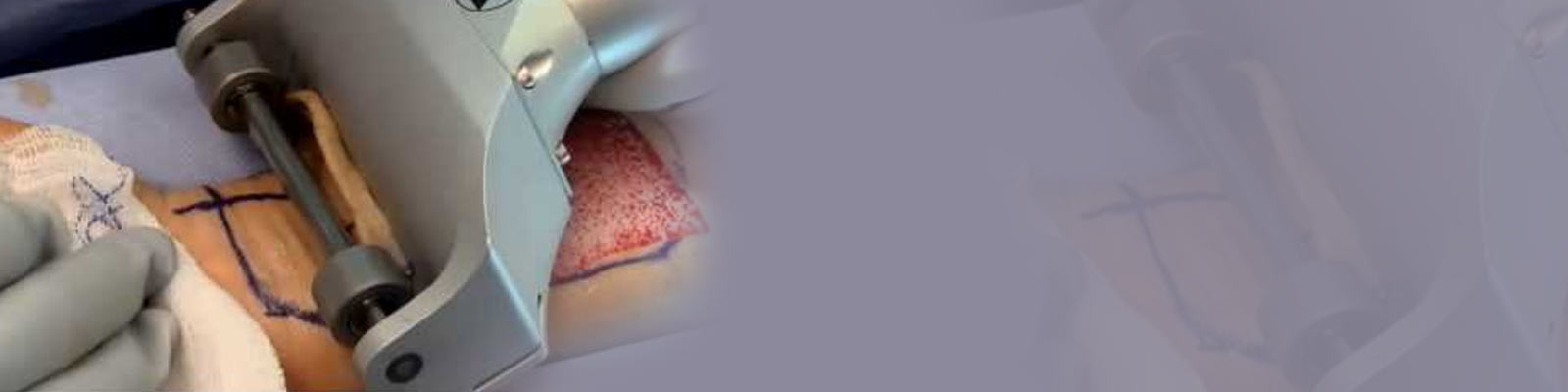
Split Thickness Skin Grafting is one of the older and more widely performed surgical techniques for vitiligo. In this procedure, a very thin layer of skin thin enough to be almost translucent is taken from a donor site, usually an area like the thigh or buttock that is easy to conceal. This thin skin graft is then placed over the vitiligo patch that needs to be treated. The graft contains functioning melanocytes and over time, as it heals and integrates with the underlying skin, these melanocytes begin producing pigment and the colour gradually returns to the treated area. When done by skilled and experienced doctors in Delhi, this procedure produces very natural-looking results with good colour matching to the surrounding skin.
Melanocyte Transfer is a more advanced technique and is particularly useful for larger or more complex vitiligo patches. In this procedure, melanocytes are extracted from a small sample of the patient's own healthy skin, processed and separated in a laboratory setting, and then transplanted onto the depigmented area. Because the cells are isolated and applied in a more concentrated and precise way, this technique can cover larger areas with a smaller donor site. The results with melanocyte transfer are generally excellent, with good pigmentation restoration and a natural gradual blending of colour as the cells settle and begin functioning in the new area.
Both procedures are performed under local anaesthesia and are done on an outpatient basis in most cases, meaning there is no extended hospital stay required. Recovery involves some care of both the donor and recipient sites, and the repigmentation process happens gradually over weeks to months rather than overnight. Patience is an important part of the process but the results for the right candidates are among the most satisfying outcomes in vitiligo treatment in Delhi.
It is also worth understanding that surgery alone is rarely the end of the story. Post-surgical care, sun protection, and sometimes continued medical treatment are important to maintain and optimize the results. A comprehensive approach that combines surgical correction with ongoing skin management gives the best long-term outcome.
For anyone in Delhi dealing with stable vitiligo and looking for a proper evaluation of whether surgical treatment is the right option, Dadu Medical Centre in Vasant Vihar, South Delhi and Rajouri Garden, West Delhi offers expert dermatological assessment and individualised treatment planning for vitiligo including both surgical and non-surgical options based on what suits each patient's specific condition best.
FAQs
1. How do I know if I am a suitable candidate for vitiligo surgery?
Ans. Vitiligo must be stable for at least one to two years with no new patches forming before surgery can be safely considered as an option.
2. Is vitiligo surgery painful?
Ans. Both procedures are performed under local anaesthesia so there is no pain during the surgery mild discomfort during recovery is manageable with basic care.
3. How long does it take to see repigmentation after surgery?
Ans. Colour begins returning gradually over several weeks to months as the transplanted melanocytes settle and start producing pigment in the treated area.
4. Can vitiligo surgery be done on the face?
Ans. Yes, both techniques can be used on facial patches and when done by an experienced dermatologist the colour matching results are generally very natural.
5. Will the colour match perfectly with my surrounding skin after surgery?
Ans. Results are generally very good with natural blending over time, though perfect colour matching depends on individual skin response and healing.
6. What happens if vitiligo becomes active again after surgery?
Ans. New patches may appear in other areas if vitiligo reactivates but the surgically treated area generally retains its restored pigmentation in stable cases.
7. Is there any downtime after vitiligo surgery?
Ans. Both the donor and recipient sites need careful care for a few weeks but most people manage daily activities without significant disruption during recovery.