

..
Stretch Marks Treatment in Delhi – You Do Not Have to Just Live With Them
Stretch marks are one of those skin concerns that people tend to quietly accept as permanent. They appear during pregnancy, rapid weight gain or loss, growth spurts during teenage years, or even heavy gym training and most people are told there is not much that can be done about them. For years, creams and oils were the only widely marketed options, and most of them delivered very little in terms of real visible change. So people covered up, avoided certain clothes, and simply got used to the idea that stretch marks were there to stay. The good news is that this thinking is outdated. Stretch mark treatment has genuinely advanced and the results people are getting today would have seemed impossible ten years ago.
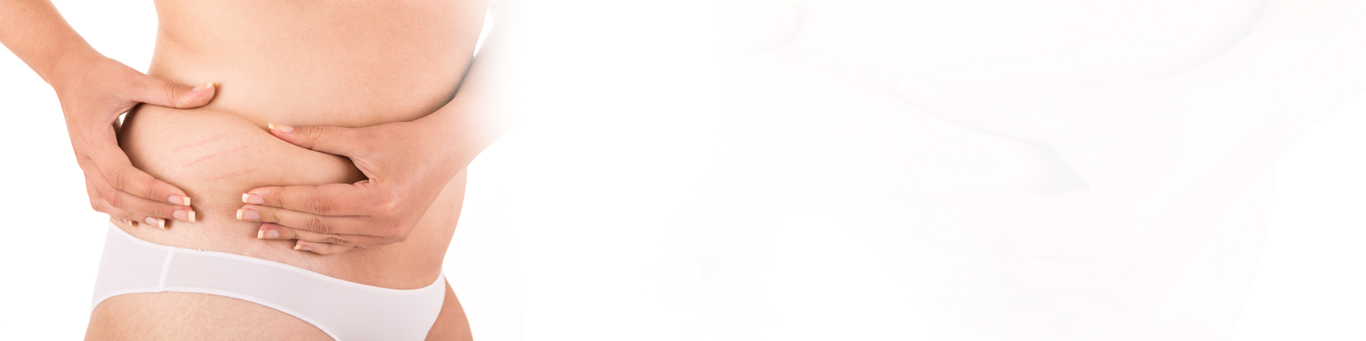
Before getting into what can be done, it helps to understand what stretch marks actually are. They form when the skin is stretched faster than it can keep up with. The middle layer of the skin, called the dermis, tears in certain areas and that tearing shows up on the surface as streaks. Fresh stretch marks are usually pink, red, or purple in colour. This is the active phase and actually the best time to treat them because the skin is still responding. Over time they fade to a silvery white, which means the tissue has matured and become more fibrous. Both stages can be treated but early stretch marks generally respond faster.
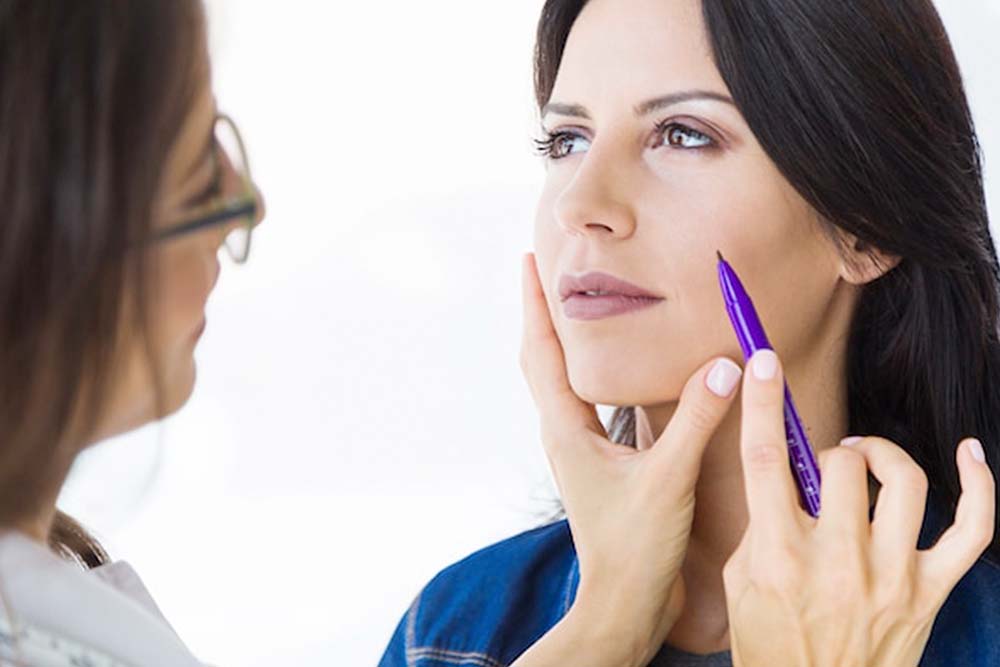
The location matters too. Stretch marks on the abdomen, thighs, hips, lower back, upper arms, and chest all behave slightly differently because skin thickness and tissue density vary across the body. This is why a one-size-fits-all approach rarely works well and why proper clinical evaluation by experienced doctors in Delhi is so important before starting any treatment.
What modern stretch mark treatments do is essentially trigger the skin's own repair mechanism. The idea is to create controlled, targeted stimulation in the affected area so the body responds by producing new collagen and elastin, the proteins responsible for keeping skin firm, elastic, and smooth. When this happens consistently over multiple sessions, the texture of the stretch marks improves, their colour fades further, and the skin surface becomes noticeably more even.
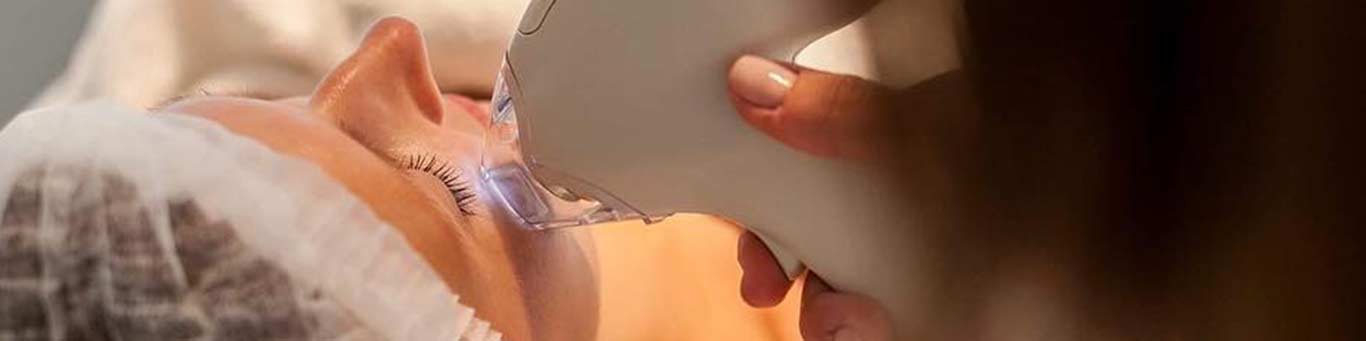
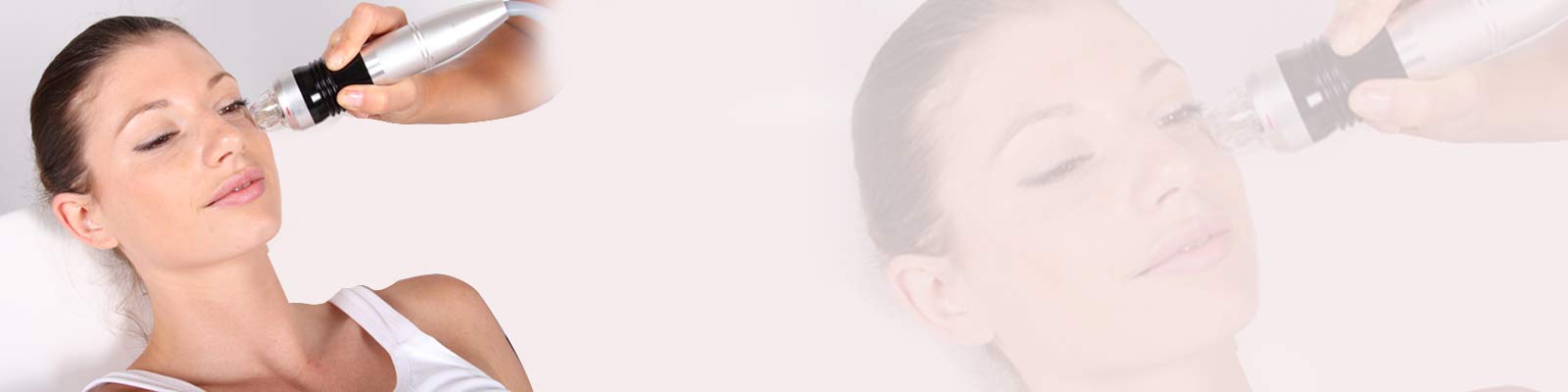
There are treatments that work through energy-based devices delivering heat or micro-injuries to the deeper layers of skin without significantly damaging the surface. This pushes collagen remodelling from within. There are also treatments that physically create micro-channels in the skin to stimulate repair while allowing active ingredients to penetrate more effectively. Some treatments combine both approaches for stronger results, particularly on older or deeper stretch marks that have not responded to milder options.
For more stubborn or extensive stretch marks, laser-based treatments offer precision and depth control that other methods cannot match. These are especially effective on stretch marks that have been around for years and have that silvery, matured appearance. The laser works on the tissue at a deeper level, breaking down fibrotic tissue and encouraging fresh skin regeneration in its place.
The treatments now available at a good clinic in Delhi for stretch marks include options like Pixigenus stretch marks treatment, Tixel, Dermaroller, Erbium Fibre Laser, and MNRF treatment in delhi. Each of these works differently and suits different types, ages, and locations of stretch marks. The right combination depends entirely on your specific skin, the nature of your stretch marks, and what outcome you are aiming for. Treatment in Delhi for stretch marks has become considerably more advanced and accessible, and most people with consistent sessions see meaningful improvement in both texture and appearance.
One thing worth setting realistic expectations on no treatment makes stretch marks disappear completely as if they were never there. What good treatment does is make them significantly less visible, smoother in texture, and much closer in tone to your surrounding skin. For most people, that level of improvement is genuinely life-changing in terms of comfort and confidence. Many people who avoided the beach, the gym, or certain clothes for years find themselves no longer thinking twice about it after completing a proper treatment plan.
The number of sessions required varies from person to person. Some people see significant improvement in three to four sessions, others need more. Age of the stretch marks, skin type, and how consistently sessions are maintained all play a role. What does not change is the importance of getting a proper assessment first so you are not spending time and money on something that is not the right fit for your skin.
If you are in Delhi and serious about treating your stretch marks with a clinical approach that actually works, Dadu Medical Centre is a name worth considering. Their dermatologists assess your stretch marks properly, explain what is realistically achievable, and build a treatment plan that gives you the best possible outcome for your specific skin.
FAQs
1. Can stretch marks be completely removed with treatment?
Ans. Complete removal is not guaranteed but treatments can significantly reduce their visibility, improve texture, and blend them closer to your natural skin tone.
2. When is the best time to treat stretch marks new or old ones?
Ans. New stretch marks that are still red or pink respond faster, but older silver ones can also be treated effectively with the right clinical approach.
3. How many sessions will I need for visible improvement?
Ans. Most people see noticeable improvement after three to six sessions, though the exact number depends on the depth and age of the stretch marks.
4. Is stretch mark treatment painful?
Ans. Most treatments involve mild discomfort at best numbing cream is applied beforehand and the procedure is generally well-tolerated by most people.
5. Can stretch marks come back after treatment?
Ans. Treated stretch marks do not return but new ones can form if the skin is stretched again due to pregnancy, weight gain, or muscle growth.
6. Are these treatments safe for all skin tones?
Ans. Yes, but darker skin tones require more careful treatment settings to avoid pigmentation changes always go to an experienced dermatologist for this.
7. How soon after pregnancy can I start stretch mark treatment?
Ans. It is generally recommended to wait until after you have stopped breastfeeding and your body has stabilised before starting any clinical skin treatment.