

..
Acne Scar Treatment in Delhi – Because Clear Skin Should Not Stop at Just Clearing Acne
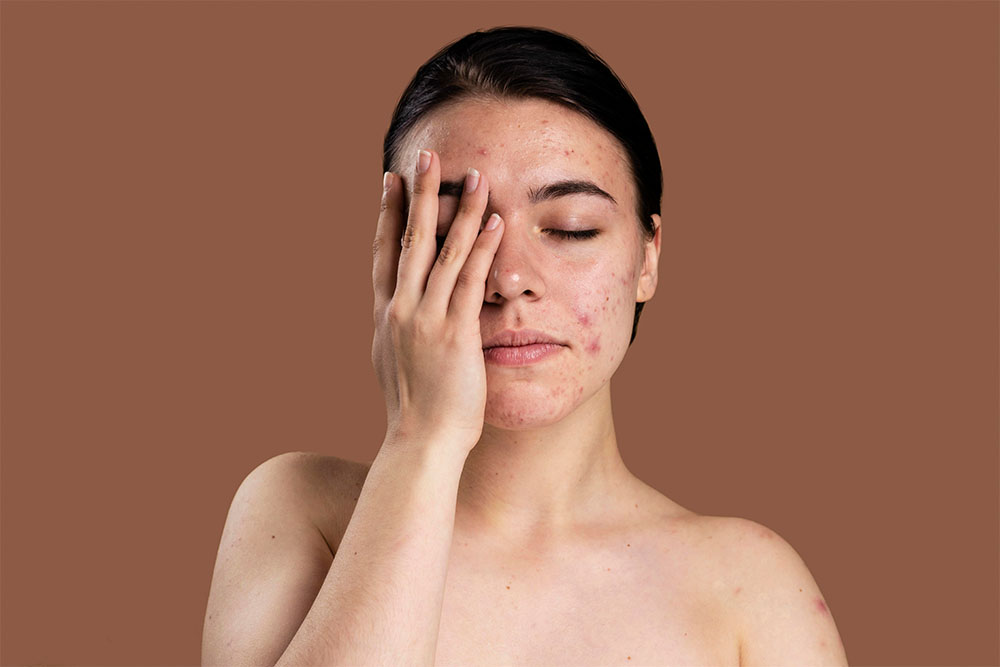
For a lot of people, getting acne under control feels like winning half the battle. The breakouts reduce, the skin settles, and then you look in the mirror and realise the acne may be gone but the scars it left behind are very much still there. The pits, the uneven texture, the indentations that catch light in a way that makes them impossible to ignore acne scars have a way of staying long after the acne itself has cleared. And unlike active acne which at least has the possibility of going away on its own, scars do not. They do not fade with time the way post-acne dark marks sometimes do. Structural scars the ones that create actual depressions or changes in skin texture need proper clinical treatment to improve. No cream, no serum, no home remedy is going to resurface scarred skin. That requires something that works at a deeper level.
Understanding why acne scars form in the first place helps explain why they need clinical treatment to fix. When a deep or inflamed acne lesion damages the skin tissue underneath the surface, the body tries to repair that damage by producing collagen. But the repair process is not always perfect. Sometimes too little collagen is produced and the area heals sunken creating what are called atrophic scars, which include ice pick scars, boxcar scars, and rolling scars. Sometimes the body overproduces collagen and the area heals raised these are called hypertrophic or keloid scars. Each type sits at a different depth in the skin and responds differently to different treatments, which is exactly why a proper assessment by experienced doctors in delhi is so important before starting any scar treatment.
Atrophic scars are by far the most common type seen after acne and also the most frustrating to deal with because of how they affect skin texture. The skin surface looks uneven, almost like it has tiny craters or waves across it, and this becomes more visible in certain lighting or with makeup on. People with these scars often feel like they cannot get a smooth, even finish regardless of what they apply on top because the problem is structural, not just pigmentary.
What modern acne scar treatments do is stimulate the skin to rebuild itself from the inside. The approach is controlled damage using specific technologies to create micro-injuries or deliver energy into the deeper layers of skin, which triggers the body's natural healing response and pushes it to produce fresh collagen and elastin in the scarred areas. Over multiple sessions, the skin gradually fills in the depressions, the texture becomes smoother, and the surface becomes more even and refined. The results are not overnight but they are real and they are lasting.
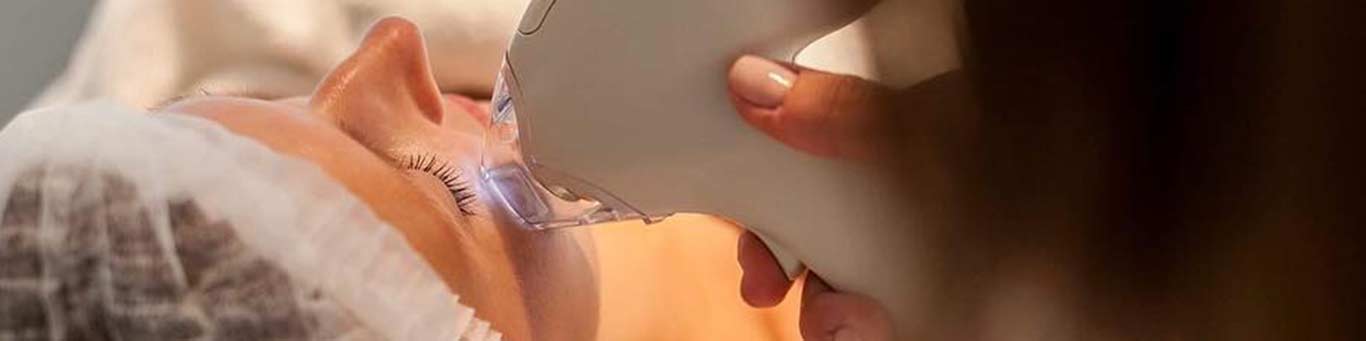
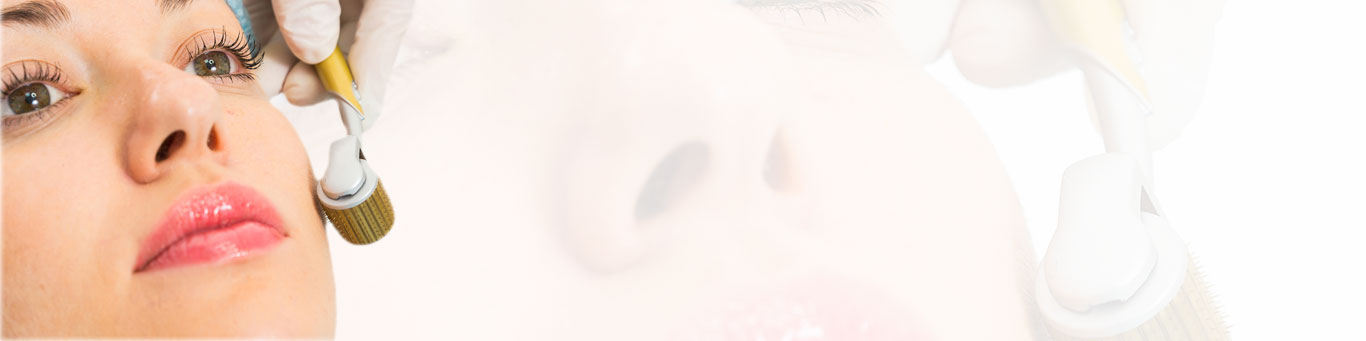
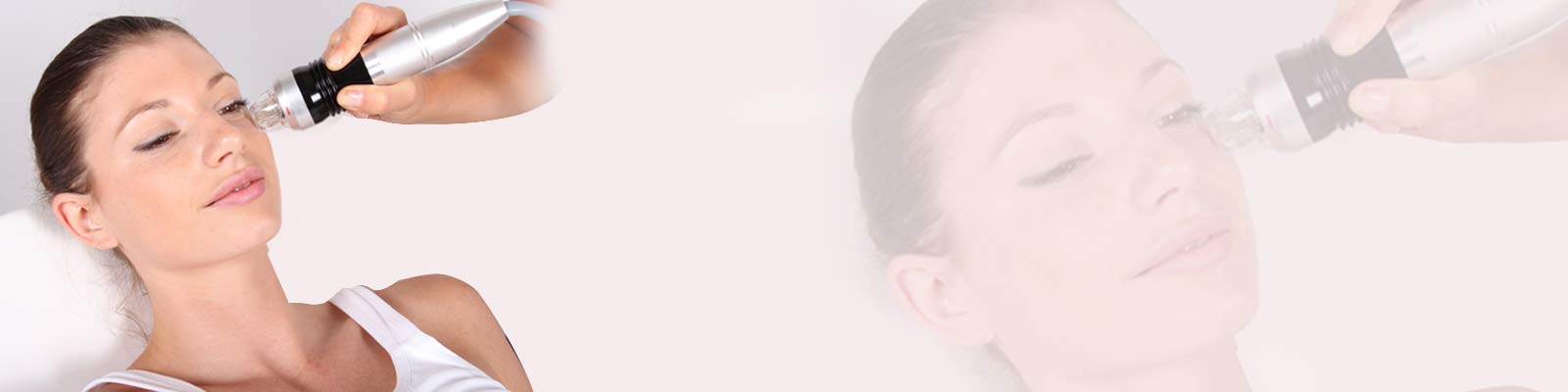
Different technologies achieve this through different mechanisms. Some treatments use fine needles to create micro-channels in the skin, stimulating collagen production while also allowing active ingredients to penetrate more deeply where they are actually needed. Some use heat energy delivered precisely into the skin to trigger deep tissue remodelling without significantly affecting the surface. Laser-based treatments work at specific depths depending on the technology, some targeting the outermost layers for surface refinement, others going deeper for more significant structural improvement in deeper scars.
For very deep or stubborn scars, more advanced laser resurfacing options exist that deliver stronger collagen remodelling at a controlled depth. These produce more dramatic improvement but may involve a few days of recovery. For milder scarring or for people who prefer no downtime options, gentler treatments can be layered over multiple sessions for gradual but consistent improvement.
The important thing about acne scar treatment is that it requires patience and consistency. There is no single session that fixes everything. Most people need a series of treatments sometimes combining two or three different approaches depending on the types of scars present and results build progressively with each session. Treatment in Delhi for acne scars has advanced considerably and what was difficult to treat even five years ago is now very manageable with the right clinical approach.
Options like Tixel, Dermaroller, Erbium Fibre Laser, Fractional CO2 Laser, and Microneedling in delhi are all part of what a well-equipped clinic in Delhi offers for acne scar treatment today. Which combination is right for your skin depends entirely on your scar type, skin tone, depth of scarring, and how your skin has responded to any previous treatments all of which a dermatologist evaluates during a proper consultation before recommending anything.
Active acne should always be fully controlled before starting scar treatment. Treating scars on skin that is still breaking out is counterproductive because new acne will continue creating new damage even as older scars are being treated.
If you are in Delhi and ready to seriously address your acne scars with a proper clinical plan, Dadu Medical Centre has experienced dermatologists who assess scar type and depth carefully and recommend a personalized treatment approach that gives you the most realistic and effective path to smoother skin.
FAQs
1. Can acne scars be completely removed with treatment?
Ans. Deep structural scars cannot be completely erased but the right treatments can dramatically reduce their visibility and significantly improve overall skin texture.
2. How many sessions will I need for acne scar treatment?
Ans. Most people need six to eight sessions for meaningful improvement, though deeper or older scars may require more sessions spaced over a longer period.
3. Is acne scar treatment painful?
Ans. Most treatments involve mild discomfort, numbing cream is applied beforehand and the majority of people find the procedures very tolerable overall.
4. Can I get acne scar treatment while I still have active acne?
Ans. It is strongly recommended to get active acne fully under control first before starting scar treatments for the best and most consistent results.
5. Which is better for acne scars, laser or microneedling?
Ans. Both work well but for different scar types a dermatologist will assess your specific scarring and recommend the most suitable option or combination.
6. How long before I see visible improvement in my acne scars?
Ans. Initial improvement is usually visible after two to three sessions with more significant results becoming apparent as the full treatment course progresses.
7. Is acne scar treatment safe for darker Indian skin tones?
Ans. Yes, but darker skin tones need careful treatment settings to avoid pigmentation changes and always choose an experienced dermatologist for this reason.