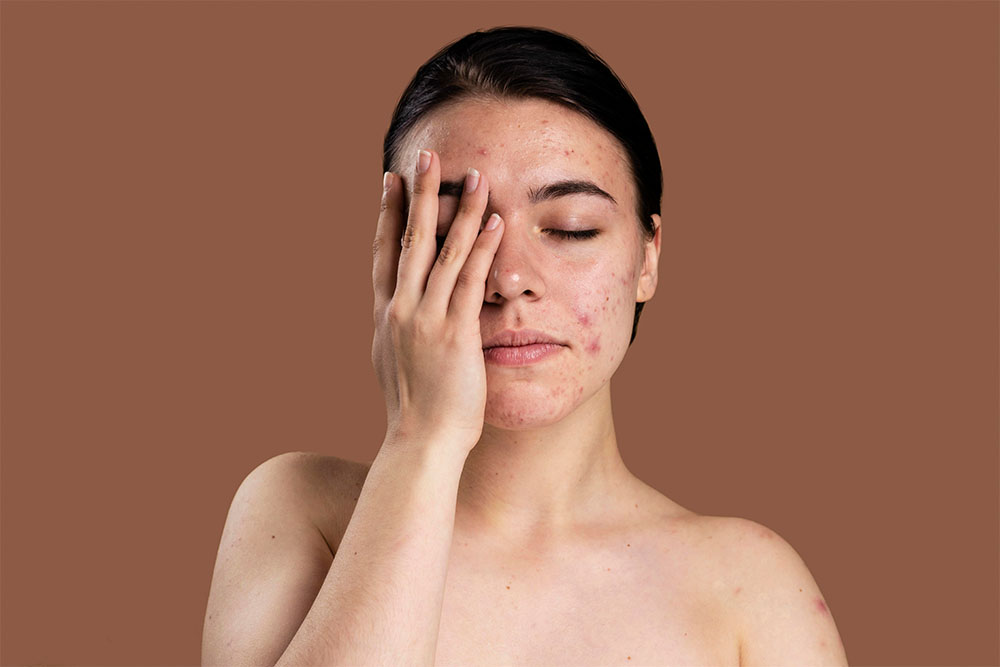
Freckles Treatment in Delhi
Skin pigment known as ‘Melanin’, produced by cells called melanocytes, which gives skin the colour, is responsible for skin complexion. Freckles are cells that contain more amount of melanin compared to the surrounding areas. Freckles are visible in form of small, tiny black/brown spots on face. These spots may also be present on the hands, elbows, neck, back etc.
Causes: Freckles are triggered by exposure to sunlight. The melanocytes absorb the sunlight and produce more melanin, thereby causing freckles. They are a natural reaction of the skin to the sun.
- Hereditary- It runs in families, and children are more likely to have freckles if the parents have them.
- Complexion- fair people are more prone to have freckles than dark people.
- Tanning
- Seasonal- In some people, freckles appear in the summer and disappear in the winter.
Treatment: While there are stories that freckles are angel kisses, but this is not true. Freckles do not bring any good luck charm and can be prevented and avoided to improve overall skin and aesthetic appeal.
Dr. Nivedita Dadu provides a variety of freckles treatment in Delhi at Dadu Medical Centre located in Delhi, Vasant Vihar (South Delhi), Rajouri Garden (West Delhi), but not all treatments are recommended for everyone. Avoiding or reducing sun exposure and using good sun protection can help in reducing the number of freckles and the darkness of the freckles.
- Topical Creams- Though widely used, these contain bleaching agents which act on the entire skin and not just the freckles. Retin -A is one of the widely used products.
- Laser- Considered the most effective method for freckles removal, a beam of the laser is used to reduce the unwanted melanocytes which produce melanin. This not only reduces freckles, it also improves skin tone and colour.
- Cryotherapy- Liquid nitrogen is used to freeze the melanin-producing cells are frozen by removing, thereby removing freckles.
Freckles Treatment in Delhi – What Causes Them and How to Actually Get Rid of Them
Most people with freckles have heard the phrase angel kisses at least once in their life. It sounds sweet but when you are the one dealing with small dark spots scattered across your face, hands, neck, or back, the romantic description does not really help. Freckles are incredibly common and while they are harmless, many people feel self-conscious about them and want to know whether they can actually be reduced or removed. The answer is yes, and there are now some genuinely effective ways to do it.
To understand how to treat freckles it helps to understand what they actually are. Your skin gets its colour from a pigment called melanin, which is produced by cells called melanocytes. Freckles are simply areas where those melanocytes have produced more melanin than the surrounding skin, showing up as small concentrated brown or black spots. They are not a disease or a defect. They are just your skin responding to certain triggers, most commonly sunlight.
When your skin is exposed to the sun, melanocytes absorb that UV light and produce more melanin as a protective response. In some people, particularly those with fair skin, this response is uneven and concentrated in small patches rather than spread evenly, which is what creates freckles. Genetics also plays a big role. If your parents have freckles there is a fairly high chance you will too. Some people also notice their freckles become more prominent in summer and fade during winter months, which shows just how directly sun exposure influences them.
Tanning, even casual sun exposure without sunscreen, can darken existing freckles and trigger new ones. This is why sun protection is genuinely the first line of both prevention and management. A broad spectrum sunscreen used daily will not make existing freckles disappear overnight but it will prevent them from getting darker and stop new ones from forming.
For people who want to go further than prevention, freckles treatment in Delhi has evolved significantly. Topical creams containing bleaching agents like Retin-A are one option and work by gradually lightening pigmented areas over time. They act on the broader skin surface rather than targeting freckles specifically, so results can be slow and require patience and consistency.
Laser treatment is widely considered the most effective option for freckle removal. It works by delivering a focused beam of light energy that targets and breaks down the melanocytes responsible for the concentrated pigmentation. Beyond just reducing freckles, laser treatment also improves overall skin tone and clarity, which is why it has become so popular at skin clinics in Delhi. Results are usually visible within a few sessions and the improvement tends to be more dramatic than what topical creams can achieve alone.
Cryotherapy is another option where liquid nitrogen is used to freeze and destroy the melanin-producing cells in the freckled areas. It is less commonly used than laser but can be effective for isolated spots. Consulting experienced doctors in Delhi before deciding on any of these treatments is important because the right choice depends on your skin type, the depth of your freckles, and how your skin is likely to respond.
Dadu Medical Centre offers advanced freckle removal treatments including laser therapy, cryotherapy, and medically guided topical plans, with experienced dermatologists who assess your skin individually and recommend the most suitable approach for safe and lasting results.
FAQs
1. Are freckles harmful or just a cosmetic concern?
Ans. Freckles are completely harmless and are simply areas of concentrated melanin, but they can be treated if they affect your confidence.
2. What is the most effective freckles treatment in Delhi?
Ans. Laser treatment is considered the most effective method as it directly targets the melanocytes responsible for the pigmentation.
3. Can freckles come back after laser treatment?
Ans. They can return with continued sun exposure, which is why consistent sunscreen use after treatment is absolutely essential.
4. How many laser sessions are needed to remove freckles?
Ans. Most patients see significant improvement within two to four sessions depending on the number and depth of freckles being treated.
5. Is cryotherapy for freckles painful?
Ans. There is a brief cold stinging sensation during the procedure but it is generally well tolerated and requires no recovery time.
6. Can doctors in Delhi treat freckles on areas other than the face?
Ans. Yes, freckles on the hands, neck, elbows, and back can all be treated with the same methods used for facial freckles.
7. Do topical creams completely remove freckles or just lighten them?
Ans. Topical creams gradually lighten freckles over time but complete removal is more reliably achieved through laser or cryotherapy at a clinic in Delhi.
8. At what age can someone start getting freckle removal treatment?
Ans. Treatment is generally recommended for adults but a dermatologist consultation will help determine the right approach based on age and skin condition.