
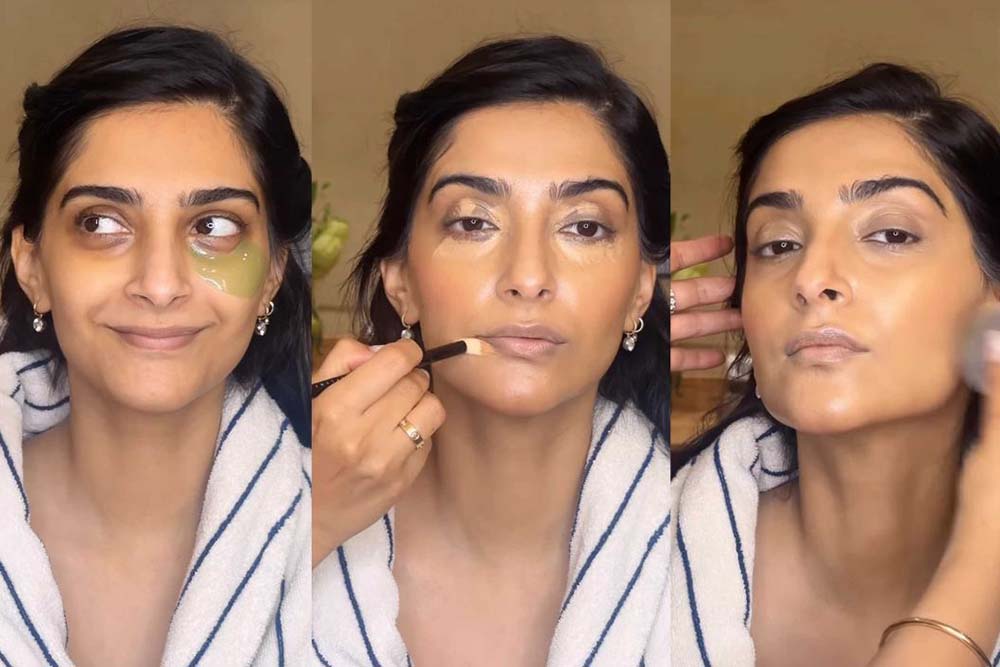
Bollywood actresses shoot for fourteen hours straight, fly between cities for back-to-back promotions, and still show up the next morning looking camera-ready with bright, awake eyes. It makes you wonder, doesn't it? Is it really just good concealer, or is there something more going on behind the scenes. This exact curiosity has pushed dark circle treatment in Delhi and other major Indian cities into one of the most commonly searched cosmetic concerns, with people genuinely wanting to know whether their favourite actress just has great makeup or whether she's been to a dermatologist.
The honest answer is usually a bit of both, and understanding the difference can actually help you figure out what would genuinely work for your own under-eye concerns.
Why Dark Circles Happen in the First Place
Dark circles aren't one single problem with one single cause, which is exactly why some treatments work brilliantly for one person and do almost nothing for another. For some people, it's genetic pigmentation, where the skin under the eyes is simply darker than the rest of the face due to melanin distribution, often running in families and showing up even in childhood. For others, it's structural, caused by thinning skin and visible blood vessels showing through, which tends to worsen with age as skin loses collagen. And for a lot of people, it's a mix of poor sleep, dehydration, stress, and screen time, all of which make existing dark circles look more pronounced without being the root cause themselves.
This is why concealer works brilliantly for some people and barely makes a difference for others. If the issue is purely temporary tiredness, concealer does the job perfectly fine. If the issue is genetic pigmentation or structural volume loss, no amount of concealer fully hides it, which is when actual dermatological treatment becomes necessary.
Bollywood Actresses and Their Dark Circle Journeys
Kareena Kapoor Khan
Bebo has spoken in interviews about prioritising sleep and hydration as part of her skincare philosophy, often mentioning that consistency in her routine matters more than any single product. Her under-eye area has looked notably bright and even across recent years despite an undeniably packed schedule, which has led several beauty editors and dermatologists to suggest that professional treatment, alongside her lifestyle habits, plays a role in maintaining that consistently fresh look.
Alia Bhatt
Alia has talked about dealing with dark circles since she was younger, mentioning in interviews that they've been a persistent concern for her regardless of how much sleep she gets. She's been fairly open about trying various skincare approaches over the years, and her current under-eye area looks considerably brighter and more even than in her earlier film appearances, suggesting a combination of dedicated skincare and possibly professional treatment rather than concealer alone.
Deepika Padukone
Deepika has been vocal about prioritising sleep and mental wellbeing, often connecting it directly to how her skin looks and feels. Her under-eye area has remained consistently smooth and bright throughout a demanding career involving extensive travel and shooting schedules across different time zones. While she credits much of this to lifestyle habits, the precision of her appearance under harsh studio lighting has prompted speculation about complementary dermatological treatment.
Katrina Kaif
Katrina has spoken about her skincare routine fairly extensively, often mentioning specific steps she follows religiously regardless of her location or schedule. Her under-eye area has looked notably bright and even for years, something she attributes largely to consistent skincare and hydration. Dermatologists studying celebrity skin closely have noted that the level of consistency she maintains, even during demanding international shoots, suggests her routine likely includes more than just topical products.
Sonam Kapoor
Sonam has discussed genetic dark circles affecting her family, mentioning that she's dealt with pigmentation under her eyes since she was quite young, unrelated to sleep or stress. She's been open about seeking dermatological help for this specific concern rather than relying purely on makeup, framing it as a practical solution for something genetics handed her rather than something to be embarrassed about.
Bollywood Actresses and Their Approach to Dark Circles
|
Actress |
Likely Cause |
Approach Mentioned |
Visible Result |
|
Kareena Kapoor Khan |
Lifestyle and possible treatment |
Sleep, hydration, skincare routine |
Consistently bright appearance |
|
Alia Bhatt |
Long-standing, possibly genetic |
Skincare, possible professional treatment |
Noticeably improved over years |
|
Deepika Padukone |
Lifestyle factors, travel-related fatigue |
Sleep prioritisation, skincare |
Smooth despite demanding schedule |
|
Katrina Kaif |
Genetic and lifestyle combined |
Consistent skincare routine |
Even-toned, well-maintained |
|
Sonam Kapoor |
Genetic pigmentation |
Dermatological treatment, openly discussed |
Reduced pigmentation over time |
Treatment vs Concealer — What Actually Works
Concealer is a wonderful temporary fix, and there's nothing wrong with using it daily if that's all you need. But it's worth understanding what it can and can't do. A good concealer with the right colour-correcting base can neutralise the blue or purple tone of vascular dark circles fairly well. What it cannot do is address genetic pigmentation, which tends to be brownish and sits deeper in the skin, or structural hollowing, which creates a shadow that makeup alone struggles to fully camouflage.
For genuine, lasting improvement, dermatological treatment becomes necessary depending on the underlying cause. Topical brightening ingredients like vitamin C, niacinamide, or prescription-strength lightening agents can help with pigmentation-based dark circles over consistent use. Chemical peels formulated specifically for the delicate under-eye area can gradually reduce pigmentation when topical treatments alone aren't enough. For structural hollowing rather than pigmentation, under-eye filler restores lost volume and reduces the shadow that creates the dark appearance. And for skin that's become thin and crepey, treatments like PRP can improve overall skin quality and reduce the visibility of underlying blood vessels.
Dr. Nivedita Dadu, a dermatologist in Delhi with considerable experience treating pigmentation and under-eye concerns, often explains to patients that the first step is always figuring out exactly which type of dark circle they're dealing with, since treating pigmentation like it's volume loss, or vice versa, simply won't produce good results. At Dadu Medical Centre, dark circle consultations typically involve examining the specific shade and texture of the area closely, sometimes combined with a gentle skin stretch test, to determine whether the issue is pigmentation, structural, vascular, or some combination of all three before recommending a tailored treatment plan.
Dark Circle Treatments Compared
|
Treatment |
Best For |
Time to See Results |
Downtime |
|
Topical Brightening Agents |
Mild pigmentation |
8 to 12 weeks |
None |
|
Chemical Peels |
Moderate pigmentation |
4 to 6 sessions |
1 to 2 days |
|
Under-Eye Filler |
Structural hollowing, shadowing |
Immediate |
Minimal |
|
PRP Therapy |
Thin, crepey under-eye skin |
3 to 6 sessions |
1 to 2 days |
|
Laser Treatment |
Combined pigmentation and texture |
3 to 5 sessions |
2 to 3 days |
Why Getting the Diagnosis Right Matters So Much
This is genuinely the most important part of treating dark circles successfully, and it's where a lot of people waste time and money on the wrong approach. Using a filler for pigmentation-based dark circles won't help, and using a brightening cream for structural hollowing won't help either. A proper skin clinic in Delhi will always start with identifying the actual type of dark circle before recommending treatment, rather than offering a generic solution to everyone who walks in with the same complaint.
This is exactly the kind of careful, individualised approach that separates effective cosmetic treatment in Delhi from quick-fix promises that don't address the real underlying cause.
FAQs
1. Are dark circles always caused by lack of sleep?
Ans. No, dark circles can also be genetic, structural, or related to pigmentation, which is why some people have them regardless of how much they sleep.
2. Can concealer alone fix dark circles permanently?
Ans. No, concealer only hides the appearance temporarily; permanent improvement requires identifying and treating the actual underlying cause.
3. How do I know if my dark circles need professional treatment?
Ans. If concealer isn't helping and the circles persist despite good sleep and hydration, a dermatologist in Delhi can identify the actual cause.
4. Is under-eye filler the right treatment for everyone with dark circles?
Ans. No, filler only helps with structural hollowing, not pigmentation-based dark circles, which need a different treatment approach entirely.
5. How long does dark circle treatment typically take to show results?
Ans. Depending on the cause and treatment chosen, most people see noticeable improvement within eight to twelve weeks of starting treatment.
6. Can genetic dark circles be treated effectively?
Ans. Yes, with the right combination of brightening treatments and sometimes filler, genetic dark circles can be significantly reduced.
7. How do I find the right clinic in Delhi for dark circle treatment?
Ans. Look for a dermatologist experienced in diagnosing different dark circle types; Dadu Medical Centre under Dr. Nivedita Dadu is a trusted option in Delhi.
8. How much does dark circle treatment cost at a clinic in Delhi?
Ans. Costs vary depending on the treatment type and number of sessions required; a consultation at a clinic in Delhi will give you a clear, personalised estimate.