
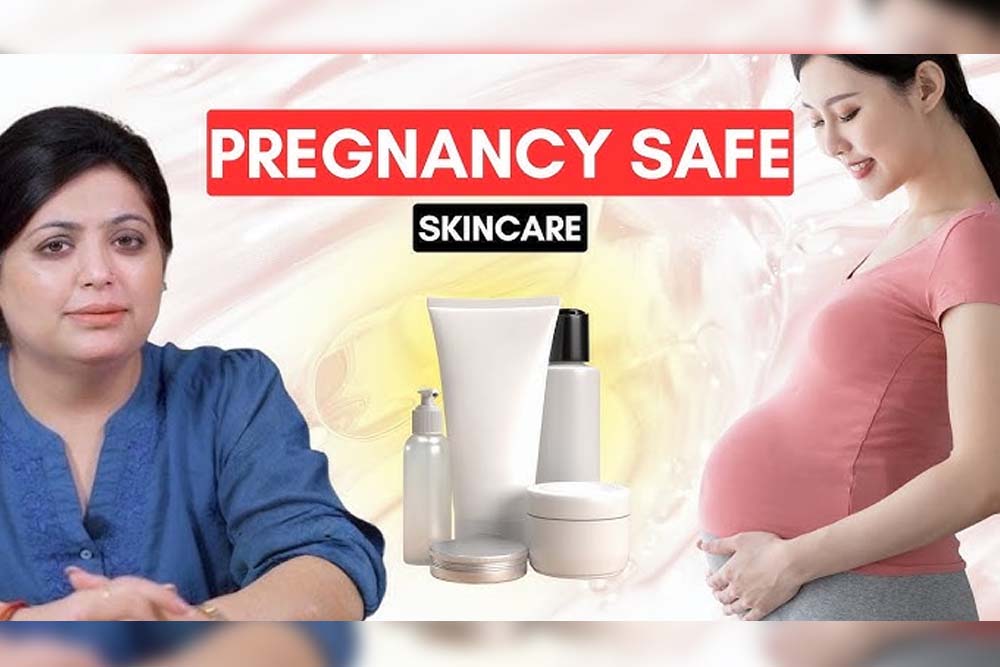
Pregnancy brings genuine, visible changes to skin and hair pigmentation, dark spots, uneven tone, and hair fall are all common. What makes this period trickier than usual is that a lot of your pre-pregnancy skincare simply isn't safe anymore, since certain ingredients get absorbed into the bloodstream and can pass into breast milk, potentially affecting your baby. If you're researching safe Lactation Skin Care treatment in Delhi options during lactation, this breakdown covers exactly what's safe, what to avoid, and what genuinely works.
Hair Fall: What's Actually Happening
Postpartum hair fall typically begins around two to three months after delivery, and it's a genuinely common, expected part of this phase. Your gynaecologist has likely already prescribed iron and calcium supplements, and alongside these, a plain biotin supplement is generally considered safe, given the limited documentation available on broader supplement safety during lactation.
For topical hair fall treatment, minoxidil is completely off-limits during pregnancy and lactation and worth knowing, it can actually worsen shedding initially even when it's safe to use. Instead, peptide-based hair serums are a safer, effective alternative, since these work as proteins rather than hormonally active compounds. A product like Mintop Pro, formulated with procapil, is a genuinely safe option worth considering here.
|
Hair Concern |
Safe Option |
Avoid |
|
General hair health |
Plain biotin supplement |
Unverified multi-ingredient supplements |
|
Hair fall (topical) |
Peptide-based serums (e.g., Procapil) |
Minoxidil |
In-Clinic Treatments for Hair Fall During Lactation
Biomesotherapy is a genuinely good option here; it's painless and helps improve hair density. PRP combined with a derma pen is another reasonable choice, particularly since injection-based treatments are generally minimised during this period wherever alternatives exist.
Root Elixir is another treatment worth knowing about, using botanical extracts infused into the scalp to control hair fall, address dandruff, and support overall scalp health. It also helps with dry, frizzy hair, contributing to improved density and texture over time.
|
Treatment |
What It Does |
|
Biomesotherapy |
Painless, improves hair density |
|
PRP + Derma Pen |
Non-injection-heavy alternative for density |
|
Root Elixir |
Botanical scalp treatment for hair fall, dandruff, texture |
Facial Pigmentation: Why It Happens and What's Safe
Pigmentation during and after pregnancy is largely hormonally driven. Weight gain and, in some cases, insulin resistance during pregnancy both contribute, and this kind of stubborn pigmentation often doesn't fully resolve with weight loss alone, which surprises a lot of new mothers expecting it to fade naturally.
For cleansing, gentle cleansers work well generally, with glycolic acid-based cleansers suitable for oilier skin. Salicylic acid and retinol are both firmly unsafe during pregnancy, and while lactation-specific documentation is more limited, it's generally best to avoid these too until you've discussed it with your doctor. For dry skin, hyaluronic acid and ceramide-based cleansers are a safer, gentler choice.
Sunscreen deserves particular attention here; pure physical (mineral) sunscreen is the only genuinely safe category during lactation. Hybrid sunscreens combining physical and chemical filters, as well as pure chemical sunscreens, are considered unsafe, with several studies linking chemical filters to potential endocrine disruption in babies. If the classic white cast from physical sunscreen bothers you, tinted physical sunscreens solve that problem without compromising safety.
|
Product Category |
Safe During Lactation |
|
Pure physical/mineral sunscreen |
Yes |
|
Hybrid sunscreen (physical + chemical) |
No |
|
Pure chemical sunscreen |
No |
|
Salicylic acid, Retinol |
Avoid (unsafe in pregnancy, limited lactation data) |
Building a Safe Night Routine
Azelaic acid is a genuine favourite here, and it's completely safe during lactation. It helps significantly with acne, red marks, and brown marks. Glycolic acid is safe too, provided it's kept under 7% concentration useful specifically for pigmentation concerns.
For exfoliation, gentle, homemade options work best. Oatmeal-based scrubs suit dry, sensitive skin, while multani mitti or besan-based scrubs work well for oilier skin types. Physical scrubs in general aren't a strong recommendation here, since they can be genuinely harsh enzyme-based exfoliation, like a gommage peel, is the gentler, safer alternative worth prioritising instead.
In-Clinic Pigmentation Treatments
Treatments like Crystal Glow and Photo Radiance work well for reducing pigmentation, and these get customised specifically based on your lactation status. Results are instant, there's no downtime, no post-treatment redness, and these tend to be more relaxing and effective compared to standard salon facials.
Body Treatments Worth Knowing About
For stubborn body fat, InchDefy is a genuinely safe option during lactation, helping break down stubborn fat while supporting toning and tightening.
For stretch marks, Femiderm cream is safe throughout pregnancy and lactation and specifically formulated for this concern. For a more clinical approach, derma pen combined with PRP works particularly well on fresh, red stretch marks specifically, since collagen remodelling is most active at that stage. Any treatment requiring lignocaine or numbing cream is off the table during lactation, since lignocaine itself isn't considered safe this means sticking to treatments that don't require anaesthesia altogether.
|
Body Concern |
Safe Treatment |
|
Stubborn fat |
InchDefy |
|
Fresh (red) stretch marks |
Derma Pen + PRP |
|
Stretch marks (topical) |
Femiderm cream |
Vaginal Concerns Post-Delivery
Intimalight is a safe option for vaginal pigmentation concerns. For vaginal laxity or stress incontinence the kind of urine leakage that happens with sneezing or coughing after vaginal delivery Hypersecidia works by strengthening pelvic floor muscles, addressing both leakage and tightness simultaneously. For vaginal pigmentation specifically, Bioderma's Pigment Biosensitive Cream is also considered safe during lactation.
IV Drips: A Customisable Option
IV drips can be genuinely useful too, customised specifically around your lactation status, along with your current skin, hair, and PCOD status if relevant. This level of personalisation matters significantly during this period, since a generic formulation isn't necessarily appropriate for a lactating body.
Getting the Right, Safe Guidance
Navigating skincare safety during lactation genuinely requires more caution than usual, and getting this wrong isn't a small thing when a baby's wellbeing is involved. This is exactly the kind of careful, personalised guidance that comes up often during consultations at Dadu Medical Centre. If you're unsure whether a specific product or treatment is safe for your current stage, consulting a dermatologist in Delhi is genuinely the safest path forward, rather than assuming your pre-pregnancy routine still applies.
For anyone exploring a proper skin clinic in Delhi for postpartum skin, hair, or body concerns, understanding which ingredients and treatments are lactation-safe and which aren't makes that consultation significantly more productive and safe for both you and your baby.
Final Thoughts
Lactation genuinely changes what's safe for your skin and hair care routine, from sunscreen filters to acne actives to hair fall treatments. The good news is that safe, effective alternatives exist across nearly every concern azelaic acid instead of salicylic acid, peptide serums instead of minoxidil, physical sunscreen instead of chemical filters so you don't have to choose between caring for your skin and caring for your baby's safety.
Frequently Asked Questions
1. Is minoxidil safe to use for postpartum hair fall?
Ans. No, minoxidil isn't safe during pregnancy or lactation and can initially worsen hair fall. Peptide-based serums are a safer alternative.
2. What kind of sunscreen is safe during lactation?
Ans. Only pure physical or mineral sunscreens are considered safe. Chemical and hybrid sunscreens may pose risks to the baby.
3. Can I use salicylic acid or retinol while breastfeeding?
Ans. Both are unsafe during pregnancy, and lactation safety data is limited too. It's best to avoid these until cleared by your doctor.
4. Is azelaic acid safe for acne and pigmentation during lactation?
Ans. Yes, azelaic acid is considered completely safe during lactation. It helps with acne, red marks, and brown marks effectively.
5. Can stretch marks be treated safely while breastfeeding?
Ans. Yes, Femiderm cream and derma pen with PRP are both considered safe options. Fresh, red stretch marks respond particularly well to in-clinic treatment.
6. Are in-clinic pigmentation treatments safe during lactation?
Ans. Yes, treatments like Crystal Glow and Photo Radiance are customised based on lactation status. These offer instant results with no downtime.
7. Why should numbing cream be avoided during lactation treatments?
Ans. Lignocaine, found in numbing creams, isn't considered safe during lactation. Treatments requiring anaesthesia should generally be avoided during this period.