
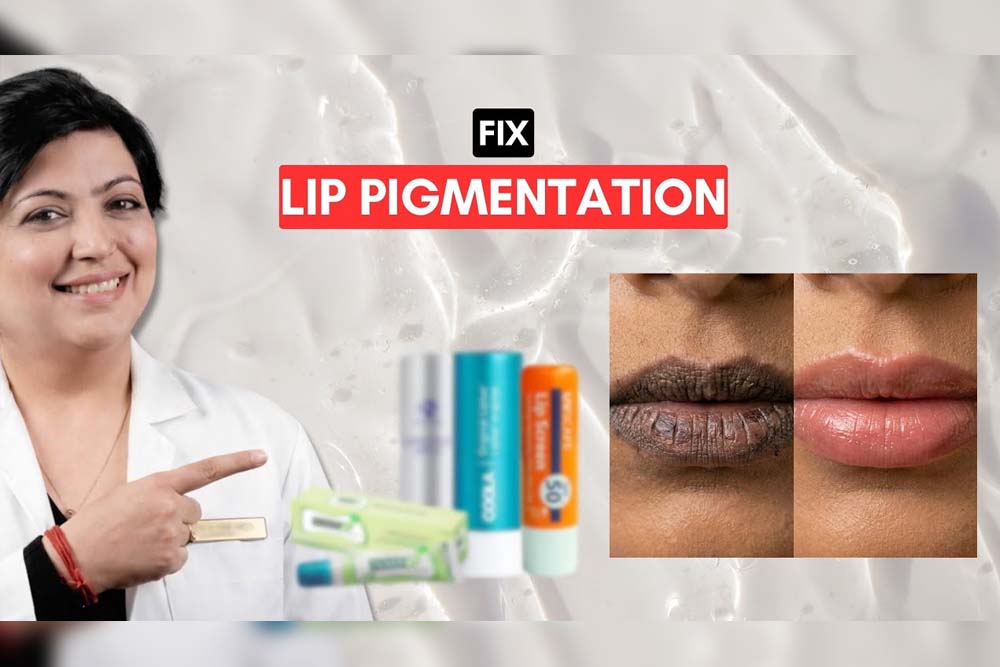
If your lips have gradually turned darker over the years, or you've always had naturally deeper-toned lips and wondered why, there's usually a clear explanation behind it. Understanding the actual cause matters more than people realise, because it determines which Dark Lips treatment in Delhi approaches at-home care or an in-clinic procedure will actually make a difference for you.
Why Are Your Lips Dark in the First Place?
The most common reason, by far, is genetics. If your lips have been dark since birth, or everyone in your family tends to have deeper-toned lips, it usually correlates with a naturally dusky skin tone overall. This is completely normal and simply how your pigmentation naturally presents.
But if your lips weren't always this way, and you've noticed them shifting from a healthy pink to something darker over time, there are a few other factors worth considering. Heavy tea or coffee consumption is a common one. Smoking is another well-known contributor. And then there's a reason a lot of people genuinely don't connect to their lip colour at all their lipstick habits.
Lipstick contributes to lip darkening in two distinct ways. First, if you consistently reach for matte lipsticks because they last longer or resist transferring you might unknowingly be causing gradual darkening. Matte formulas often contain ingredients that stain the lips and pull moisture out of them over time, leaving lips increasingly dry, dehydrated, and eventually darker-looking. Second, using darker shades like maroon, brown, or deep red regularly can also stain lips over time, since these formulas often contain heavy metals that gradually deposit pigment into the skin. Certain medications, like tetracycline, are known to cause lip darkening as well.
|
Cause of Dark Lips |
Category |
|
Genetics, naturally dusky skin tone |
Non-preventable |
|
Excess tea or coffee |
Lifestyle |
|
Smoking |
Lifestyle |
|
Matte lipstick (staining + dehydration) |
Product-related |
|
Dark shades (maroon, brown, red) |
Product-related |
|
Certain medications (e.g., tetracycline) |
Medical |
At-Home Products Worth Trying
The first and most reliable step is switching to a genuinely hydrating, moisturizing lip balm, ideally one with SPF built in. Sun exposure can worsen pigmentation on lips just as it does on skin, so SPF protection matters more here than most people assume.
Lip lightening products also exist on the market, though it's worth being upfront these generally don't deliver much in terms of real results. If you'd still like to try one, that's a personal call, but expectations should stay realistic.
|
Product Type |
Purpose |
Effectiveness |
|
Hydrating lip balm with SPF |
Moisture + sun protection |
Reliable, foundational step |
|
Lip lightening products |
Pigmentation reduction |
Generally limited results |
In-Clinic Treatments That Actually Show Results
This is where things get genuinely more effective, particularly for lips that are dry, chapped, thin-looking, or dehydrated on top of being pigmented.
Hydration Boosters are usually the first recommendation. These are hyaluronic acid injections used specifically on the lips, but they're fundamentally different from lip fillers; there's no added volume or pout involved. What you get instead is subtle hydration, a healthier pink tone, and a very slight natural plumpness, without any of the "filled" look. For lips that appear wrinkled, chapped, or dehydrated because of dryness, this tends to work remarkably well.
For enhancing pigmentation results specifically, Q-switch lasers are a strong add-on. These target pigmented cells in the lips directly, breaking them down gradually with each session, so pigmentation lightens progressively over time rather than all at once.
Alongside this, lip martini or vaginetics-style infusions are also used in clinical settings where specific serums with lip-lightening properties are infused directly into the lip tissue, delivering better results than most topical products alone.
|
In-Clinic Treatment |
What It Does |
|
Hydration boosters (HA injections) |
Hydrates, restores pink tone, subtle plumpness no filler effect |
|
Q-switch laser |
Breaks down pigmented cells, lightens pigmentation gradually |
|
Lip infusions (serums) |
Delivers concentrated lightening actives directly into lip tissue |
Lip Tint: The Longest-Lasting Option
For those wanting results that genuinely last, lip tinting is worth understanding. This procedure infuses tattoo-grade pigments into the lips through a two-step process. The first step neutralises the existing pigmented colour in your lip skin cells and you can actually stop the treatment here if that's the result you want. If you'd prefer a specific lip colour on top of the neutralised base, that gets added in the second step.
Results from lip tinting typically last around two years, with most people seeing significant improvement within one or two sessions, though occasional touch-ups may be needed depending on how your skin responds.
Which Option Fits You Best?
This is exactly the kind of question that comes up frequently during consultations at Dadu Medical Centre. Dr. Nivedita Dadu often points out that the right approach really depends on what's causing the pigmentation in the first place. Genetic darkening responds differently to treatment compared to lipstick-related staining or dehydration-driven darkness. Hydration boosters work beautifully for dryness-related dullness, while deeper genetic or long-standing pigmentation usually needs laser sessions or lip tinting for a real, lasting change.
If you're unsure which route makes sense for your specific situation, consulting a dermatologist in Delhi can help you avoid wasting time and money on products that were never going to address the actual cause. For anyone exploring a proper skin clinic in Delhi offering these lip-specific treatments, understanding the difference between hydration boosters, laser sessions, and lip tinting makes that first consultation far more productive.
A good clinic in Delhi will typically assess whether your lip darkening is genetic, lifestyle-driven, or product-related before recommending a treatment path, since each of those responds differently. And if you've been relying on lip balms and lighteners without much change, reaching out to experienced doctors in Delhi who offer these in-clinic options is worth exploring before assuming nothing can help.
Final Thoughts
Dark lips come from a wider range of causes than most people expect genetics, lifestyle habits, and even the lipstick shades and formulas sitting in your makeup bag. Once you understand what's actually driving the pigmentation, choosing between a hydrating SPF balm, hydration boosters, laser treatment, or lip tinting becomes a much clearer decision. And for genetic or long-standing pigmentation that hasn't responded to at-home products, an in-clinic consultation tends to deliver results that products alone simply can't match.
Frequently Asked Questions
1. Can lipstick really make my lips darker over time?
Ans. Yes, matte lipsticks can dehydrate and stain lips, while dark shades like maroon or brown may contain pigment-depositing heavy metals. Both can gradually darken lip colour with regular use.
2. Do hydration boosters give lips a fuller, filler-like look?
Ans. No, hydration boosters only add subtle plumpness and hydration, not volume. They're different from lip fillers and won't change your lip shape.
3. How many sessions of Q-switch laser are needed for dark lips?
Ans. Results improve gradually with each session as pigmented cells break down. The exact number of sessions depends on how pigmented your lips are.
4. How long do lip tint results last?
Ans. Lip tinting typically lasts around two years. Some people may need occasional touch-up sessions depending on their skin's response.
5. Are lip lightening products worth trying?
Ans. Generally, they show limited results compared to in-clinic treatments. A hydrating SPF lip balm is usually a more reliable everyday option.
6. Can genetics-related dark lips be treated?
Ans. Yes, treatments like Q-switch laser and lip tinting work well even for genetically dark lips. Results vary depending on your skin's response to treatment.
7. Is SPF really necessary for lip care?
Ans. Yes, sun exposure can worsen pigmentation on lips, just like on skin. A lip balm with SPF helps protect against further darkening.