
Your twenties are when your skin pretty much takes care of itself. You sleep badly, forget to remove makeup, eat whatever you want, and somehow still wake up looking fine. Then your thirties arrive and things quietly start shifting. The tiredness shows on your face a little longer. That line between your brows does not fully disappear when you stop frowning. Your skin takes longer to bounce back after a stressful week. And the glow you used to have without trying now needs a bit more effort to maintain.
This is not dramatic. This is biology.
After 30, your body produces less collagen — the protein responsible for keeping skin firm and plump. Cell turnover slows down, meaning dead skin cells hang around longer and make your complexion look dull. Estrogen levels begin a gradual decline which affects skin hydration and elasticity. Add years of sun exposure, stress, screen time, and irregular sleep, and the visible signs of ageing start showing up faster than most women expect.
The best time to start anti ageing care is before the signs become deep and difficult to reverse. Preventive treatment is always easier, cheaper, and more effective than corrective treatment done years later.
So what actually works?
At home, the non-negotiables are retinol, Vitamin C, and sunscreen. Retinol speeds up cell turnover and stimulates collagen production it is the most well-researched anti ageing ingredient available without a prescription. Vitamin C protects against oxidative damage from the sun and pollution while brightening uneven tone. And sunscreen, used every single day, is genuinely the most powerful anti ageing tool in existence. Most of the visible ageing on your face wrinkles, pigmentation, loss of elasticity is largely driven by cumulative UV exposure over the years.
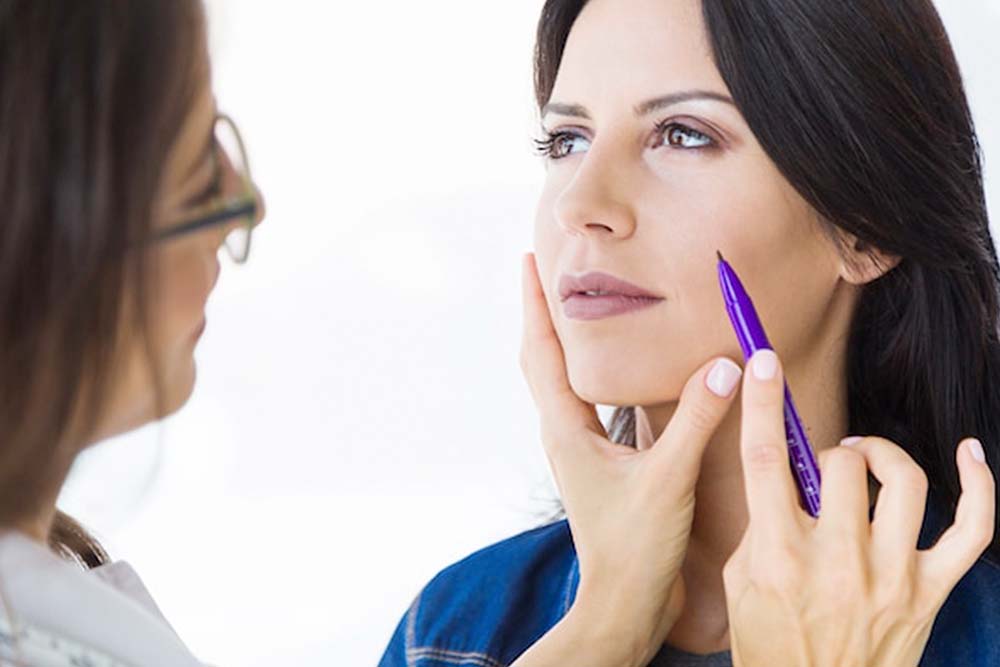
Beyond the basics, there are professional treatments that deliver results no skincare product can match. Botox relaxes the muscles that cause expression lines and gives skin a smoother, more rested appearance. Dermal fillers restore lost volume in areas like the cheeks and under-eyes. Chemical peels remove the damaged outer layer of skin and reveal fresher, brighter skin underneath. HIFU and radiofrequency treatments lift and tighten skin non-surgically by stimulating deep collagen production. Skin boosters and hydration treatments using hyaluronic acid injections give the skin a plumpness and dewiness that topical products alone cannot achieve.
None of these treatments require surgery or long recovery time. Most women in their 30s and 40s get these done and go back to work the same day or the next. The results are natural-looking when done correctly by skilled hands the goal is not to look like a different person but to look like a well-rested, healthy version of yourself.
Treatment in Delhi for anti ageing has come a very long way. Doctors in Delhi who specialize in aesthetic dermatology now use combination approaches that address skin texture, tone, volume, and elasticity together rather than targeting just one concern at a time. A trusted clinic in Delhi will never push you toward treatments you do not need they will assess your skin thoroughly, understand your concerns, and put together a plan that fits your age, skin type, and lifestyle.
For women in Delhi looking for experienced and honest guidance on anti ageing treatments, Dadu Medical Centre offers comprehensive skin consultations with personalized treatment plans that are practical, effective, and designed for real visible results.
FAQs
1. At what age should women start anti ageing treatments?
Ans. Starting preventive skincare in your late 20s and professional treatments in your early 30s gives the best long-term results.
2. Is Botox safe for women in their 30s?
Ans. Yes, when administered by a qualified dermatologist, Botox is safe, effective, and gives very natural-looking results.
3. How often do anti ageing treatments need to be repeated?
Ans. It depends on the treatment Botox typically lasts 4 to 6 months while skin boosters and peels vary based on individual needs.
4. Can anti ageing treatments be done on sensitive skin?
Ans. Yes, a good dermatologist will customize the type and intensity of treatment based on your skin's sensitivity and tolerance.
5. Does retinol really work for anti ageing at home?
Ans. Retinol is one of the most clinically proven ingredients for reducing fine lines and improving skin texture with consistent use.
6. Are professional anti ageing treatments painful?
Ans. Most are minimally uncomfortable topical numbing cream is applied beforehand for procedures involving needles or lasers.
7. Can stress speed up skin ageing in women?
Ans. Yes, chronic stress raises cortisol which breaks down collagen faster and worsens dullness, dryness, and uneven skin tone.
8. Will anti ageing treatments make me look unnatural or overdone?
Ans. Not when done correctly skilled dermatologists focus on subtle enhancement that makes you look refreshed, not dramatically different.